Thursday, 18 February 2016

Botanising in Cornwall

A few photos from a couple of trips to Cornwall in late July and early August. There's lots more to see so I'm looking forward to going back this year. We were a bit late in the season for our visit to the arable fields at West Pentire, so missed the spectacular display of poppies for which it is known. We were looking for a couple of the less common catchflies which were Night-flowering Catchfly and Small-flowered Catchfly.


Night-flowering Catchfly as the name suggests usually only flowers at nighttime but the weather had been so wet and dreary this particular morning that some of the flowers hadn't had chance to furl up yet and still looked at their best. 


This one is more typical of the flower in daylight.


 Night-flowering Catchfly - Silene noctiflora


We were way too late for the Small-flowered Catchfly and although there was a profusion of plants they were all in seed there was just one solitary flower left.


Small-flowered Catchfly - Silene gallica


Weasel's Snout -  Misopates orontium
 

Western Ramping-fumitory - Fumaria occidentalis


These arable fields near Land's End were full of Corn Marigold and the rare Purple Viper's Bugloss. 


 The colours really looked stunning together.


Purple Viper's Bugloss - Echium plantagineum
and Corn Marigold - Glebionis segetum

The rest of the flowers here were seen at The Lizard and Kynance Cove.


Fringed Rupturewort - Herniaria ciliolata  


Brookweed - Samolus valerandi


Cornish Heath - Erica vagans


Prostrate Broom - Cytisus scoparius ssp maritimus


Spring Sandwort - Minuartia verna 


Autumn Squill - Scilla autumnalis


Red-banded Sand Wasp - Ammophila sabulosa

Sunday, 14 February 2016

Rare Wildflowers in Sussex, Essex and Kent

Nearly at the end of my catch up posts, which is good because I already have a few things from this year to post. Here are a few botanical highlights from a couple of trips to the south east of England back in July and September.


Red Star Thistle at Cuckmere Haven East Sussex


Red Star Thistle - Centaurea calcitrapa


 The rather neglected information board for Childing Pink in Shoreham-By-Sea.
We were a bit late here and most plants were in seed but a few flowers remained.


Childing Pink - Petrorhagia nanteuilii


Red-tipped Cudweed - Filago lutescens
At its only site in West Sussex 


Broad-leaved Cudweed- Filago pyramidata 
Ranscombe Farm, Kent 


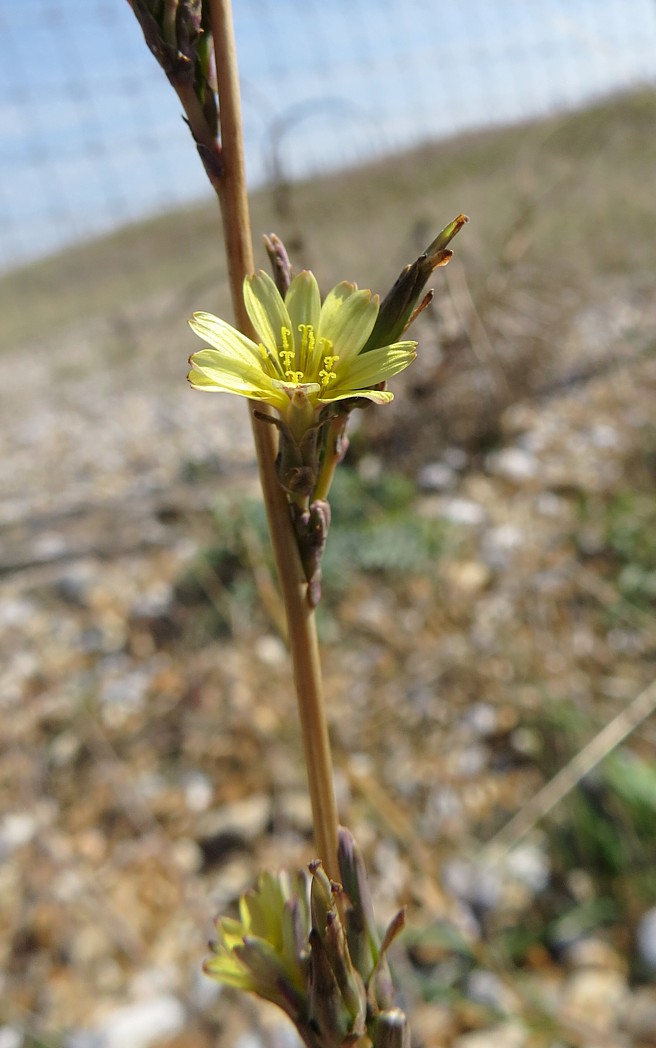
Least Lettuce -  Lactuca saligna
Rye Harbour East Sussex. 


Hogs Fennel - Peucedanum officinale
Near Walton-on-the Naze, Essex.


Saltmarsh Goosefoot - Chenopodium chenopodioides
Isle of Grain, Kent.


Sea Barley - Hordeum marinum
In seed, and not rare either but makes a nice photo against the sunset I thought. 

Finally a new amphibian for me was this lovely Marsh Frog at Dungeness.


Wednesday, 10 February 2016

Colourful Waxcaps

This autumn was a very good one for waxcaps, they were everywhere. Here's a selection from various locations including 'unimproved ' grassland, cemeteries and stately homes. Some are more easy to identify than others but I think I have all these correct.. well, possibly.


Blackening Waxcap - Hygrocybe conica


Meadow Waxcap - Hygrocybe pratensis


Snowy Waxcap - Hygrocybe virginea


Butter Waxcap - Hygrocybe ceracea


Cedarwood Waxcap - Hygrocybe russocoriacea
 This is easy to identify as it has a smell of cedar wood or Russian leather (whatever that smells like? Cedar wood I guess!)


Honey Waxcap -  Hygrocybe reidii
 This one smells of honey as it dries out.


Yellow Foot Waxcap -  Hygrocybe flavipes


Parrot Waxcap - Gliophorus psittacinus


Crimson Waxcap - Hygrocybe punicea


Spangle Waxcap -  Hygrocybe insipida


Scarlet Waxcap - Hygrocybe coccinea


Vermilion Waxcap -  Hygrocybe miniata


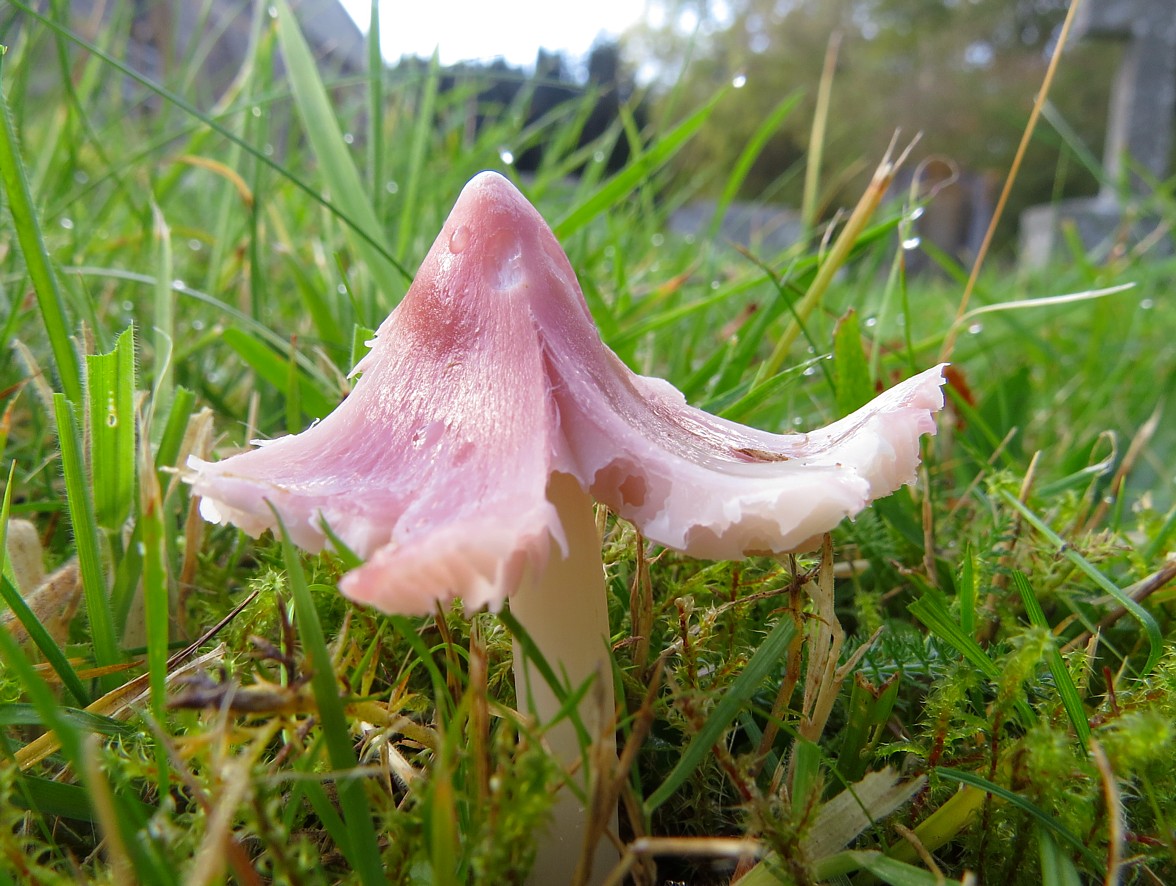
Pink Waxcap - Hygrocybe calyptriformis
Also known as the Ballerina Waxcap as it looks like a pink tutu.